

free standing makeup mirror with lights
Control Valves in Hydraulic Systems Control valves are integral components in hydraulic systems, playing a vital role in the effective management and regulation of fluid flow and pressure. They are designed to control the direction, flow rate, and pressure of hydraulic fluids, enabling precision in a variety of applications from industrial machinery to automotive systems. Understanding the function and importance of control valves in hydraulic systems is crucial for engineers, technicians, and anyone involved in hydraulic system design or maintenance. Function of Control Valves The primary function of a control valve in a hydraulic system is to manage the flow of hydraulic fluid. This can be achieved by either throttling the flow or completely blocking it, depending on the operational requirements. Control valves can be actuated manually, pneumatically, or electronically, allowing for a range of control strategies from simple operator-driven adjustments to complex automated systems. In practice, control valves are classified into several types including proportional valves, directional control valves, and flow control valves, each serving specific functionalities 1. Directional Control Valves These valves manage the path that the hydraulic fluid takes within the system, ensuring that fluid flows to the correct actuator or component. They can switch the direction of flow based on the actuator position and the desired movement of the hydraulic machine. 2. Flow Control Valves As the name suggests, these valves regulate the speed of fluid flow to the actuators. By modifying the flow rate, they control the pace at which hydraulic cylinders or motors operate. This is particularly important in applications that demand precise speed control for effective operation. 3. Proportional Valves These advanced control devices adjust flow rate and pressure in a continuous and proportional manner, as opposed to merely opening or closing. This allows for fine-tuned control over actuator movement, making them ideal for applications requiring high precision. Importance in Hydraulic Systems control valve in hydraulic system The significance of control valves extends beyond simple flow regulation. Their role is crucial in ensuring the efficiency, safety, and reliability of hydraulic systems. 1. Efficiency By controlling the flow and pressure of hydraulic fluid effectively, control valves minimize energy loss. Efficient operation means that hydraulic systems consume less power, which translates to lower operational costs and reduced environmental impact. 2. Safety Properly functioning control valves help to prevent overpressure conditions that could lead to equipment failure or catastrophic incidents. For instance, pressure relief valves are essential for protecting hydraulic systems from excessive pressure, ensuring safe operation under varying load conditions. 3. Flexibility The ability to control the mechanical power produced by hydraulic fluid allows for a wide range of applications. From construction machinery to automotive systems, the versatility of control valves is beneficial in adapting hydraulic systems to meet specific operational demands. 4. Maintenance and Troubleshooting Control valves can also aid in diagnosing issues within a hydraulic system. By monitoring the flow and pressure changes in response to valve adjustments, technicians can identify potential problems such as leaks, blockages, or failures in other system components. Design Considerations When selecting control valves for hydraulic systems, several factors must be taken into account, including the type of hydraulic fluid used, operating pressure, flow rate, and environmental conditions. Compatibility with the overall system design is essential to ensure optimal performance and longevity. Additionally, regular maintenance and calibration of control valves are vital to their continued functionality, helping to avoid system failures and costly downtimes. Conclusion Control valves are indispensable components of hydraulic systems, ensuring effective management of hydraulic fluid flow and pressure. Their various types serve distinct functions, and their importance cannot be overstated—from enhancing efficiency and safety to allowing flexibility in system operation. For anyone working with hydraulic systems, a thorough understanding of control valves and their applications is essential for achieving optimal system performance and reliability. As technology continues to advance, the development of smarter and more efficient control valve mechanisms will undoubtedly further enhance the capabilities of hydraulic systems in the future.
about
free standing makeup mirror with lights
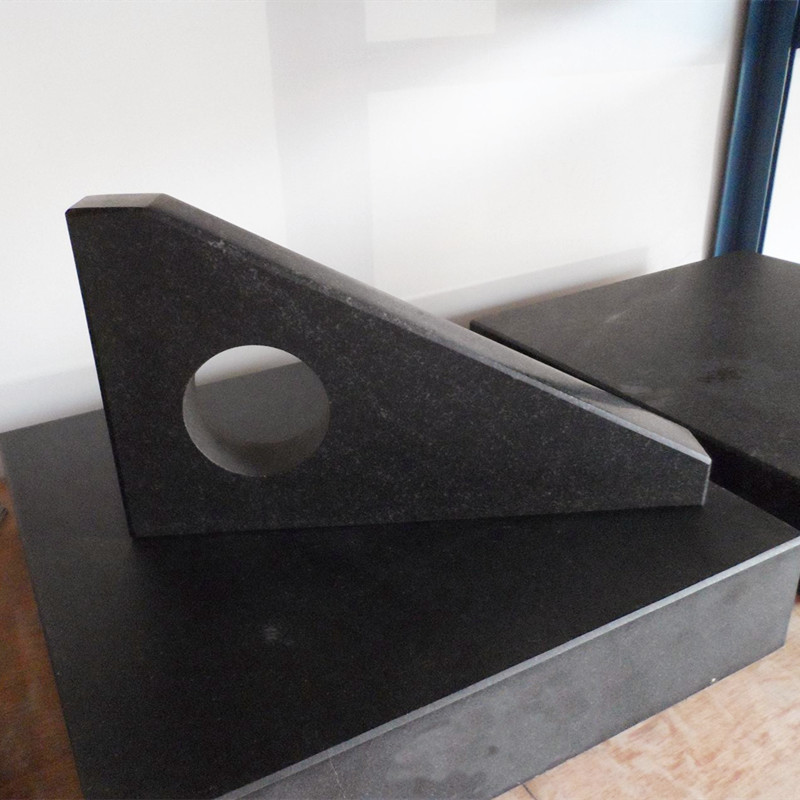
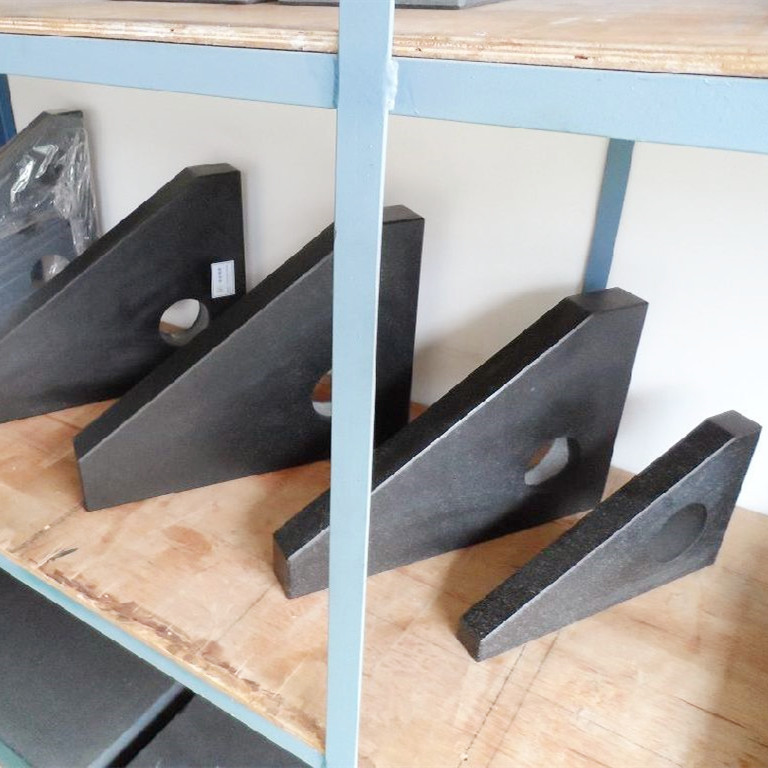
The Importance of Granite Angle Plates in Precision Engineering In the realm of precision engineering and manufacturing, maintaining accuracy and stability during the measurement and machining processes is paramount. This is where granite angle plates come into play. Renowned for their durability and precision, granite angle plates have become indispensable tools for engineers, machinists, and quality assurance professionals alike. Granite angle plates are essentially flat, rectangular stones made from natural granite, polished to achieve a smooth surface finish. They are typically used as a reference surface for measurement and assembly tasks, providing a robust and stable platform for various applications. One of the standout features of granite as a material is its dimensional stability, which means that it does not expand or contract significantly with changes in temperature or humidity. This property is crucial when working with high precision machinery, where even the slightest deviation can lead to errors in measurements and outcomes. A key application of granite angle plates is in the alignment and setup of machines and workpieces. During machining processes, ensuring that components are positioned accurately is essential for achieving the desired results. Granite angle plates serve as a reliable reference surface for aligning parts, helping to avoid misalignment issues that could compromise the quality of the final product. Their durability allows them to withstand the rigors of industrial environments, making them a long-lasting investment for manufacturers. granite angle plate Moreover, granite angle plates contribute significantly to the inspection and quality control processes. In manufacturing, precision is non-negotiable; hence, the need for accurate measurements is vital . These plates provide a stable surface for the placement of items being measured, ensuring consistent results. Inspectors often employ granite angle plates in conjunction with precision measuring tools such as calipers and dial gauges to verify the dimensions and tolerances of machined components. The flatness and smoothness of the granite surface minimize the risk of errors that could arise from warping or uneven surfaces. Apart from their technical advantages, granite angle plates are also aesthetically pleasing. The natural beauty of granite, with its unique patterns and colors, adds an element of sophistication to workshops and inspection areas. This visual appeal, combined with their functional benefits, makes granite angle plates not just tools, but also a symbol of craftsmanship and quality in the engineering field. In terms of maintenance, granite angle plates are relatively easy to care for. Regular cleaning and the application of a protective surface coating can help preserve their integrity and accuracy over time. It is important to handle them with care to prevent chipping or cracking, as these can impact their performance and measurement capabilities. In conclusion, granite angle plates play a crucial role in the field of precision engineering. Their inherent properties, such as stability and durability, make them essential for alignment, assembly, and quality control processes. As industries continue to demand higher levels of accuracy and consistency, the relevance of granite angle plates remains unwavering. For engineers and machinists aiming for precision in their work, investing in a quality granite angle plate is not just a choice; it is a necessity for achieving excellence in manufacturing and engineering practices. Whether used in small workshops or large-scale production facilities, granite angle plates symbolize the intersection of quality, reliability, and precision in the world of engineering.
-

High quality industrial productsagement

High quality industrial products
View Details -

Meet the diverse needs of customers

Meet the diverse needs of customers
View Details -

Strict quality control

Strict quality control
View Details -

Top raw materials

Top raw materials
View Details -

Trusted supplier

Trusted supplier
View Details
Our application


news and information
Water Hose Safety Understanding Check Valves Functionality
Understanding the Importance of Water Hose Check Valves A water hose check valve, also known as a n
Water Cut Off Valve - Comprehensive Guide and Best Practices
Understanding Water Cut-Off Valves Their Importance and Functionality Water cut-off valves are essen

Y Type Strainer Filters for Efficient Fluid Filtration Solutions
Understanding Y-Type Strainer Filters A Comprehensive Overview In various industrial applications, e
 English